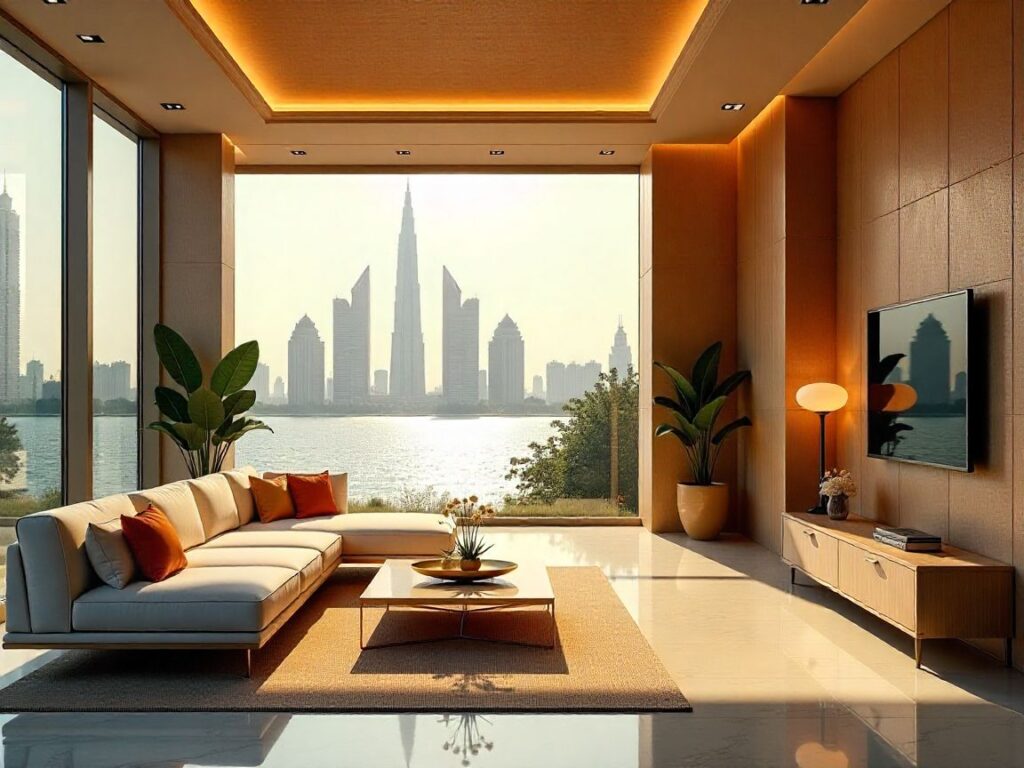
Kuwait’s skyline tells a story of transformation. Once a modest coastal settlement, it now shines as a beacon of luxury and innovation in the Middle East. This evolution extends beyond architecture into the spaces where people live, work, and create.
The nation’s thriving creative sector blends timeless Arabian influences with global styles. From intricate geometric patterns to sleek minimalist layouts, every project reflects a dialogue between tradition and modernity. Cutting-edge technologies now enhance these spaces, offering smart solutions for contemporary needs.
At the heart of this movement lies Kuwait City, often called “the Hollywood of the Gulf” for its cultural influence. The city hosts numerous studios that set regional standards for excellence. These firms combine local craftsmanship with international expertise, delivering spaces that resonate with both heritage and progress.
This guide explores how the country’s interior landscape has grown alongside its economic success. Readers will discover market trends shaping residential and commercial projects, along with insights into leading studios driving innovation. The analysis also highlights what makes this market unique in a competitive region.
Whether renovating a villa or planning a corporate space, understanding these dynamics proves essential. Kuwait’s approach to design continues to redefine luxury while honoring its roots – a balance that captivates clients across the Gulf.
Introduction to Kuwait’s Interior Design Market
A thriving creative sector has emerged from the nation’s economic prosperity and rich artistic legacy. Demand for high-end residential and commercial spaces continues to rise, fueled by clients seeking tailored solutions that honor cultural roots while embracing global innovation.
Market Dynamics and Growth Drivers
The sector’s expansion reflects Kuwait’s position as a regional hub for luxury living. Leading studios balance traditional Arabian motifs with modern functionality, creating environments that prioritize both aesthetics and practicality. Educational programs, like those at American International University, equip professionals with skills to address evolving industry demands.
Signature Elements of Local Spaces
Natural light and open layouts dominate projects, blending privacy with communal harmony. Islamic architectural details often merge with minimalist concepts, producing timeless yet functional results. Internships with established firms ensure emerging talent gains hands-on experience, fostering innovation across residential villas, offices, and hospitality venues.
Collaboration between academia and businesses strengthens the market’s foundation. This synergy drives quality while preserving Kuwait’s unique design identity in a competitive regional landscape.
Exploring Cultural Influences and Heritage in Kuwaiti Design
Cultural heritage weaves through every corner of living spaces here. Local studios blend centuries-old traditions with fresh ideas, crafting environments that tell stories of identity and progress.
Islamic Patterns, Majlis, and Traditional Elements
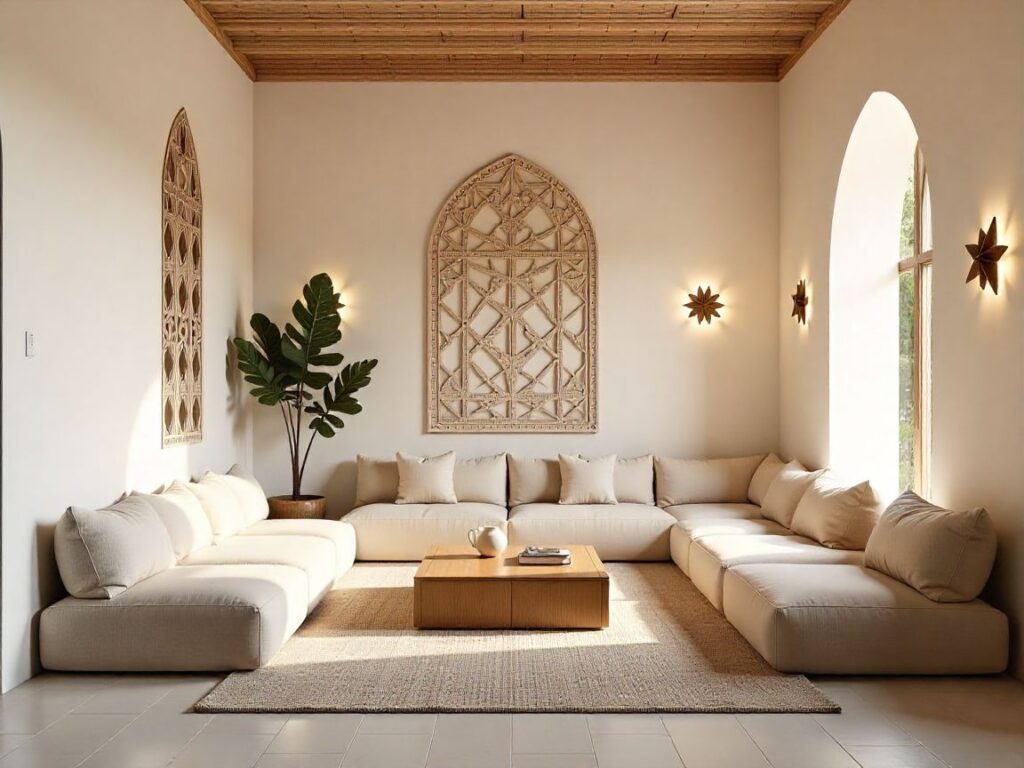
Geometric motifs anchor modern rooms to historical artistry. The majlis remains vital – a dedicated area for gatherings reflecting social values. Designers reimagine these zones with modular seating and adaptable layouts.
Babnimnim Studio’s work at Al-Masayel’s Mamluki Lancet mosque shows mastery. White forms cast shifting shadows, merging spiritual symbolism with practical lighting solutions. Judy Interiors adds brick arches and star-shaped fixtures, nodding to regional symbolism.
Arabian Luxury and Timeless Aesthetics
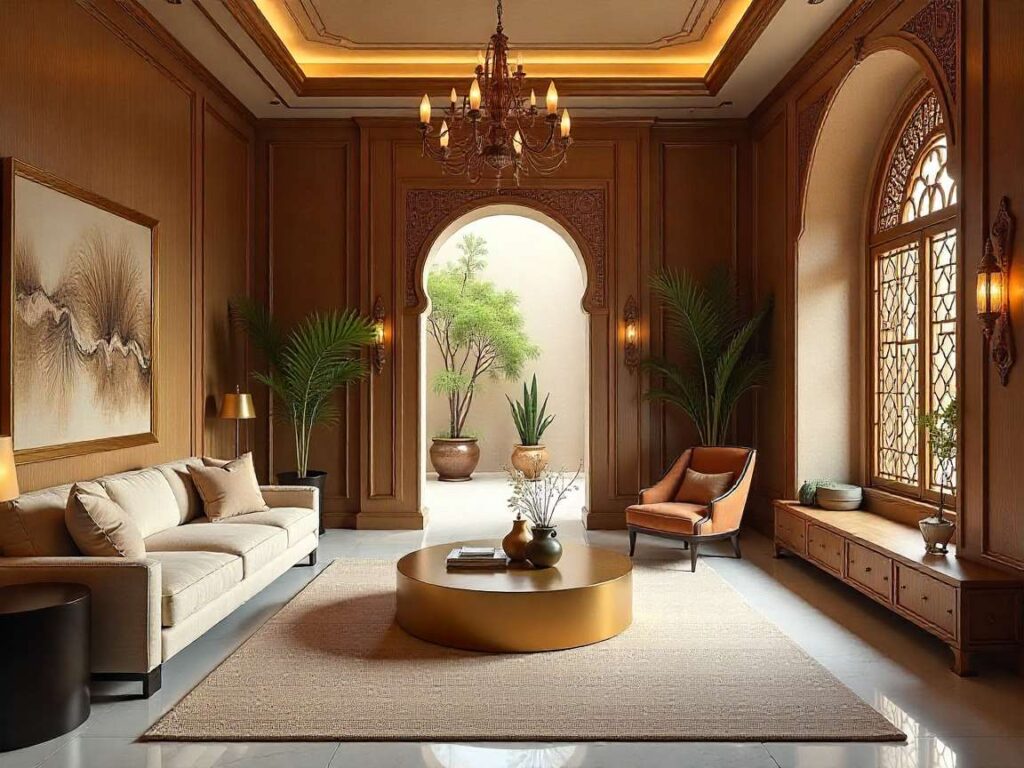
Lavish materials echo the Gulf’s trading history. Brass inlays and hand-carved wood appear alongside smart home systems. Textiles with arabesque prints soften sleek surfaces.
Natural light transforms spaces hourly, a technique borrowed from ancient Islamic architecture. Contemporary mashrabiya screens filter sunlight while ensuring privacy. These updates preserve cultural essence without sacrificing modern comforts.
Local creators prove tradition thrives when fused with innovation. Their approach balances reverence for the past with ambitions for tomorrow’s living environments.
2025 Trends Shaping Interior Design Kuwait
The evolution of living environments enters a transformative phase as 2025 approaches. Studios now merge aesthetic refinement with environmental responsibility, crafting solutions that address both style and ecological impact. Three dominant movements redefine expectations: streamlined minimalism, eco-conscious innovation, and adaptive technology integration.
Modern Minimalism and Sustainability in Design
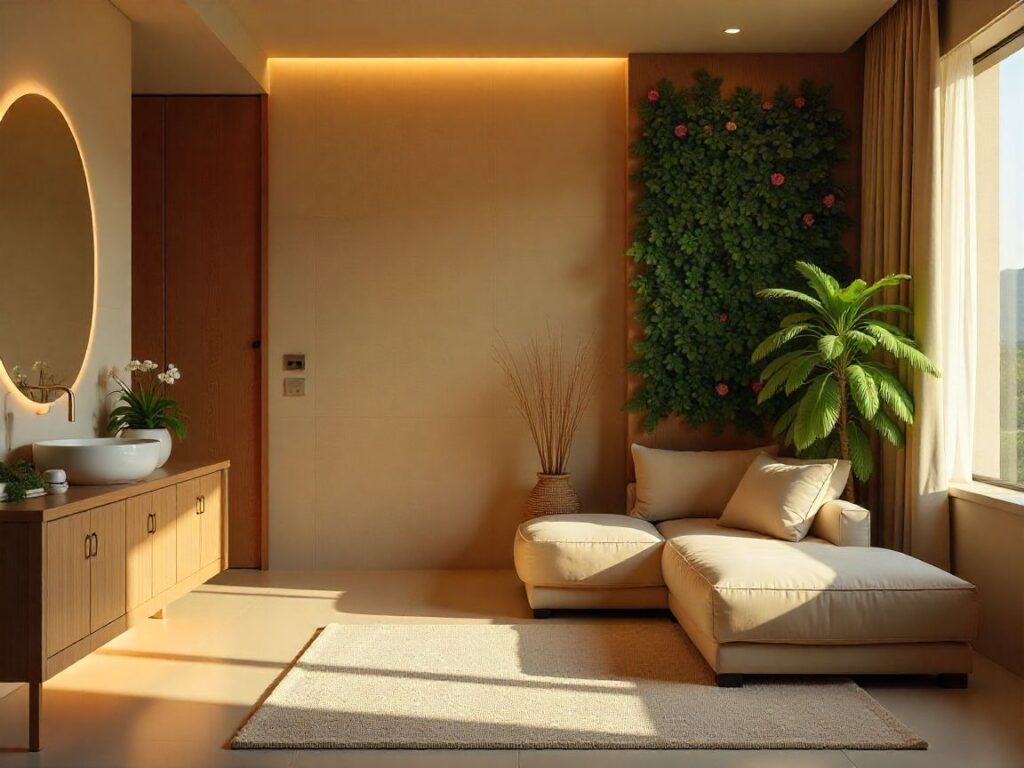
Clean, purposeful layouts dominate projects from firms like Studio Toggle. Their work showcases uncluttered spaces where natural light enhances functional beauty. Neutral palettes paired with organic textures – think limestone accents or reclaimed wood – create serene atmospheres.
Sustainability drives material selection across the industry. Prime Design Studio demonstrates this through energy-efficient lighting systems and recycled metal fixtures. Living walls and indoor gardens feature prominently, improving air quality while connecting occupants with nature.
Smart Interiors and Innovative Technologies
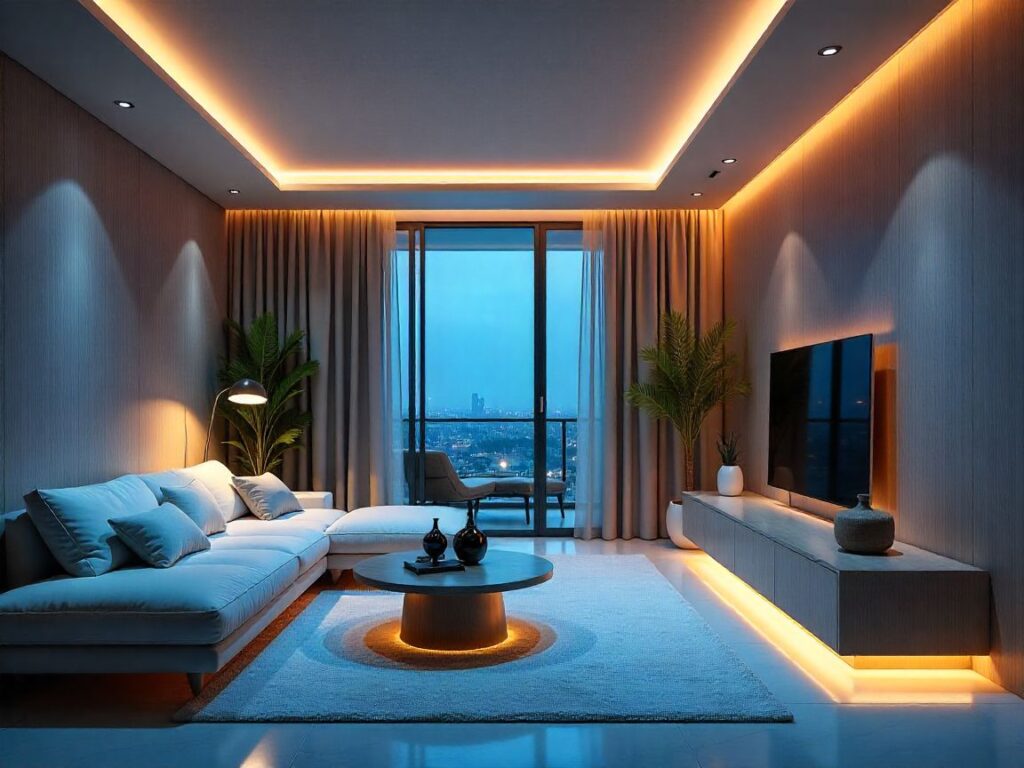
Advanced automation reshapes daily experiences. Voice-controlled environments adjust lighting temperatures and security settings through intuitive apps. AlHumaidhi Architects integrates circadian rhythm lighting that mimics natural daylight patterns, supporting user wellbeing.
Modular furniture systems adapt to multiple uses – a dining table becomes a workspace, then a entertainment hub. Sensor-based climate controls reduce energy waste by learning occupant habits. These innovations prove luxury and practicality coexist seamlessly in tomorrow’s spaces.
Residential and Commercial Interiors: Villas, Apartments, Offices, and Retail
Modern living and working environments reflect evolving lifestyles and business needs. Leading studios craft solutions that balance aesthetics with practicality, transforming both private homes and corporate hubs into functional art.
Residential Spaces: Villas and Apartments
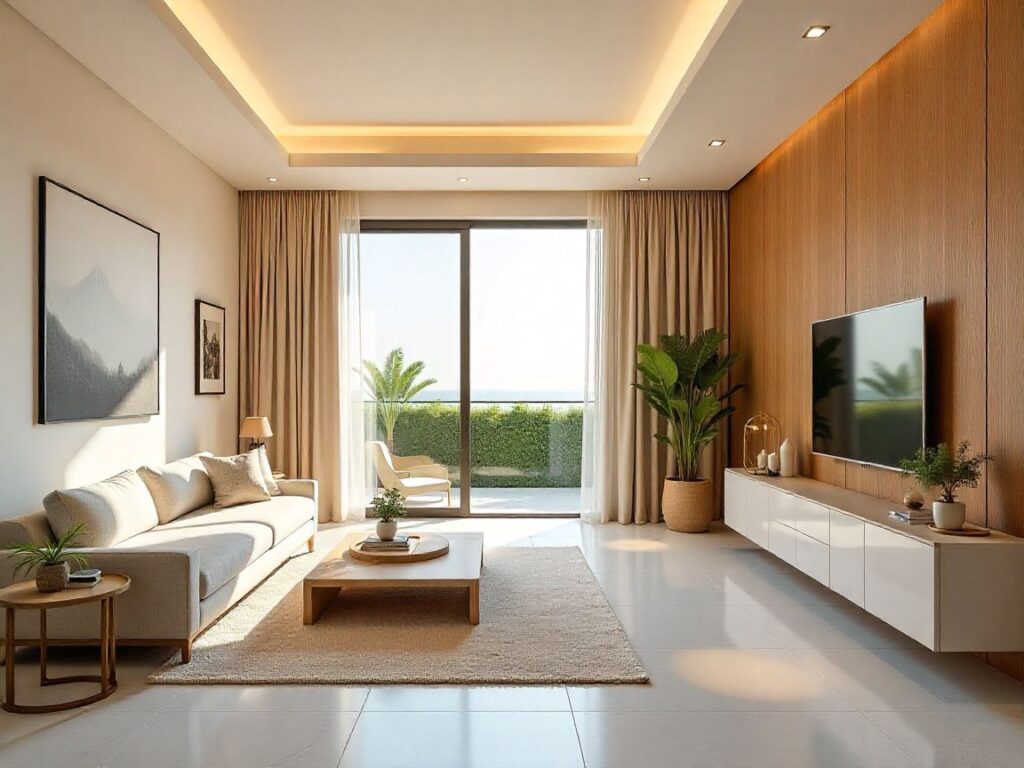
Luxury villas showcase expansive layouts blending traditional family values with cutting-edge technology. Studio Toggle’s work demonstrates how smart home systems integrate seamlessly into airy, light-filled structures. Multi-generational living areas flow into private zones, all enhanced by custom millwork and durable finishes.
Urban apartments prioritize space optimization. Clever storage solutions and modular furniture create adaptable living areas. PACE Architecture Engineering uses reflective surfaces and strategic lighting to amplify compact rooms, proving elegance thrives even in limited square footage.
Commercial Projects: Offices and Retail Environments
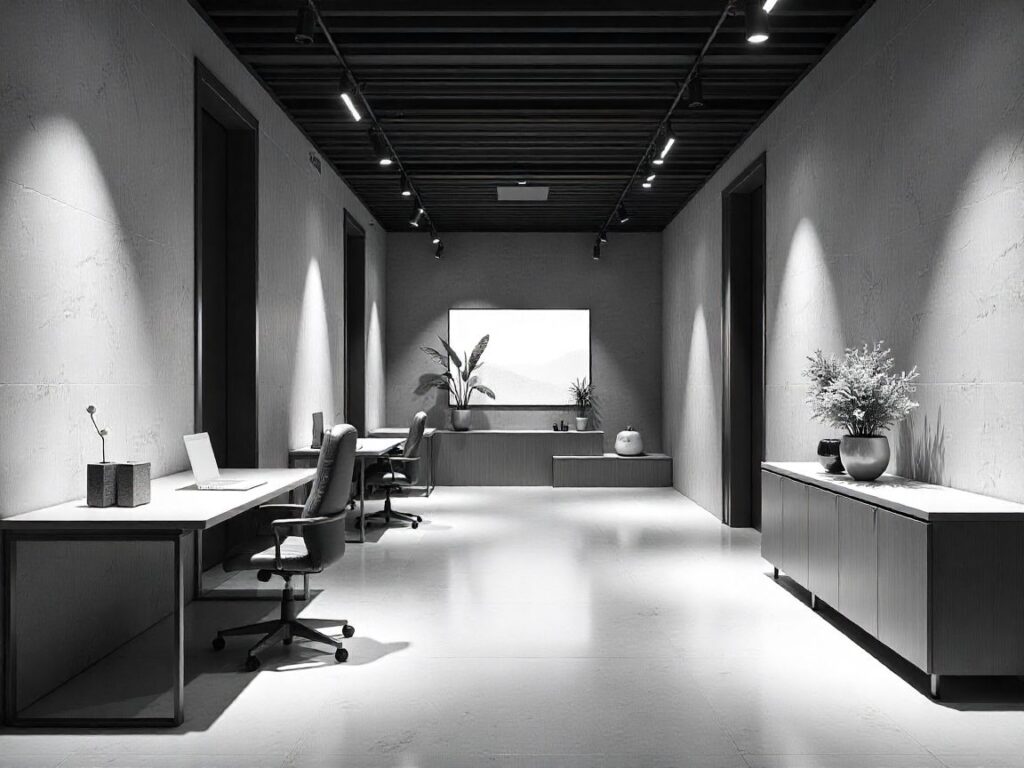
Workplaces now focus on employee wellness through ergonomic layouts. ARCHJS transformed the UIC offices with circadian lighting and collaborative zones that boost productivity. Natural materials and flexible desk arrangements cater to hybrid work models.
Retail designs tell brand stories through sensory experiences. Havelock One’s projects for global names use textured surfaces and guided pathways to highlight products. Prime Design Studio merges functionality with artistic flair, ensuring spaces engage customers while supporting staff workflows.
Health considerations shape both sectors. Antimicrobial surfaces and advanced air filtration systems now standard in projects by Rayyan Design. These innovations prove style and safety coexist effortlessly in modern environments.
Choosing the Right Interior Design Firm: Tips and Future Outlook
Selecting the perfect creative partner transforms spaces into reflections of personal or brand identity. Success hinges on reviewing past work and understanding how firms address client needs. Portfolios reveal technical skill, while testimonials highlight communication styles and problem-solving abilities.
Assessing Work Quality and Client Feedback
Portfolios should showcase versatility across project types – from compact apartments to sprawling corporate hubs. Look for consistent attention to detail in material choices and spatial planning. Client reviews often uncover how teams handle timelines, budgets, and unexpected challenges.
Future-focused firms now prioritize sustainability and smart solutions. Many integrate energy-efficient lighting or recycled materials without compromising aesthetics. The best partners balance innovation with cultural sensitivity, respecting regional traditions while pushing boundaries.
As technology reshapes expectations, adaptable studios lead the market. Those blending timeless craftsmanship with cutting-edge tools will define tomorrow’s spaces. Choose collaborators who align with both current needs and evolving trends.
FAQ
What cultural elements define traditional Kuwaiti spaces?
Islamic geometric patterns, majlis seating areas, and rich textiles like velvet or silk are central to local aesthetics. These elements blend with Arabian luxury through gold accents, intricate woodwork, and neutral color palettes for timeless appeal.
How are sustainability practices integrated into modern projects?
Leading firms prioritize eco-friendly materials, energy-efficient lighting, and low-VOC paints. Smart technologies like automated climate control or solar-powered systems further reduce environmental impact while enhancing user comfort.
What should clients look for when selecting a studio?
Review portfolios for diversity in residential and commercial work. Check client testimonials on platforms like Behance or LinkedIn. Ensure the team understands safety standards, spatial functionality, and brand alignment for businesses.
Which companies lead in commercial projects like offices or retail?
Firms like 4Space Design and Bluehaus Group specialize in creating adaptive workspaces and immersive retail environments. Their projects often feature modular furniture, mood-enhancing lighting, and tech-integrated solutions.
How do smart technologies enhance living or workspaces?
Voice-controlled systems, IoT-enabled appliances, and app-based security improve convenience. In offices, sensor-driven desks or AI-powered air quality monitors boost productivity and health compliance.
What trends will dominate Kuwaiti homes by 2025?
Open-concept layouts, multifunctional furniture, and biophilic designs with indoor gardens are rising. Neutral tones accented with bold art pieces or metallic finishes reflect a shift toward flexible, minimalist aesthetics.